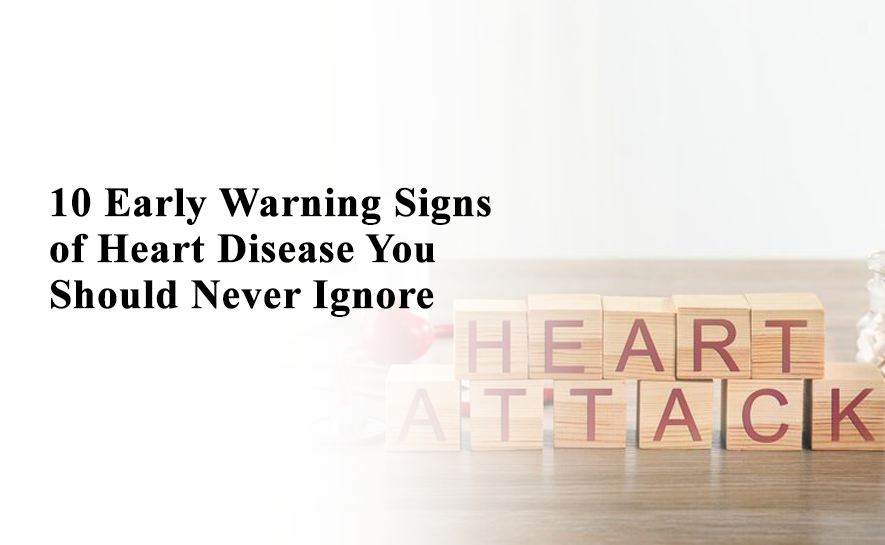
10 Early Warning Signs of Heart Disease You Should Never Ignore
Heart disease is one of the leading causes of death worldwide, and the biggest challenge is that it often develops silently. Recognizing the early warning signs can help you seek timely treatment and prevent serious complications like heart attack or heart failure.
Here are 10 early warning signs of heart disease you should never ignore:
1. Chest Pain or Discomfort
One of the most common symptoms of heart disease is chest pain, often described as pressure, tightness, or heaviness. It may spread to the arms, neck, jaw, or back and usually indicates reduced blood flow to the heart.
2. Shortness of Breath
If you experience difficulty breathing even during mild activity or while resting, it could be a sign that your heart is not pumping efficiently.
3. Unusual Fatigue
Feeling constantly tired without any obvious reason can be an early sign, especially in women. It may indicate that your heart is struggling to supply enough oxygen-rich blood.
4. Irregular Heartbeat (Palpitations)
A racing, fluttering, or irregular heartbeat could signal an underlying heart rhythm disorder (arrhythmia).
5. Swelling in Legs, Ankles, or Feet
Swelling (edema) occurs when the heart cannot pump blood effectively, causing fluid to build up in the lower parts of the body.
6. Dizziness or Lightheadedness
Frequent dizziness or feeling faint can be linked to poor blood flow to the brain due to heart problems.
7. Persistent Cough or Wheezing
A chronic cough, especially with white or pink mucus, may indicate fluid buildup in the lungs—a sign of heart failure.
8. Pain in Neck, Jaw, Shoulder, or Arm
Heart-related pain is not always limited to the chest. It can radiate to other parts of the upper body, especially the left arm.
9. Cold Sweats
Sudden sweating without exertion can be a warning sign of a heart attack and should never be ignored.
10. Nausea or Indigestion
Many people mistake heart-related symptoms for digestive issues. Persistent nausea, stomach discomfort, or indigestion may actually signal a heart problem.
When Should You See a Cardiologist?
If you experience any of these symptoms—especially in combination—consult a cardiologist immediately. Early diagnosis can prevent serious complications and improve long-term outcomes.
Tips to Protect Your Heart
Conclusion
Heart disease often gives subtle warning signs before becoming life-threatening. Ignoring these symptoms can delay diagnosis and treatment. Being aware of these early signs and taking prompt action can save your life.